Close
Winterizing Your Vehicle
Winterizing Your Vehicle

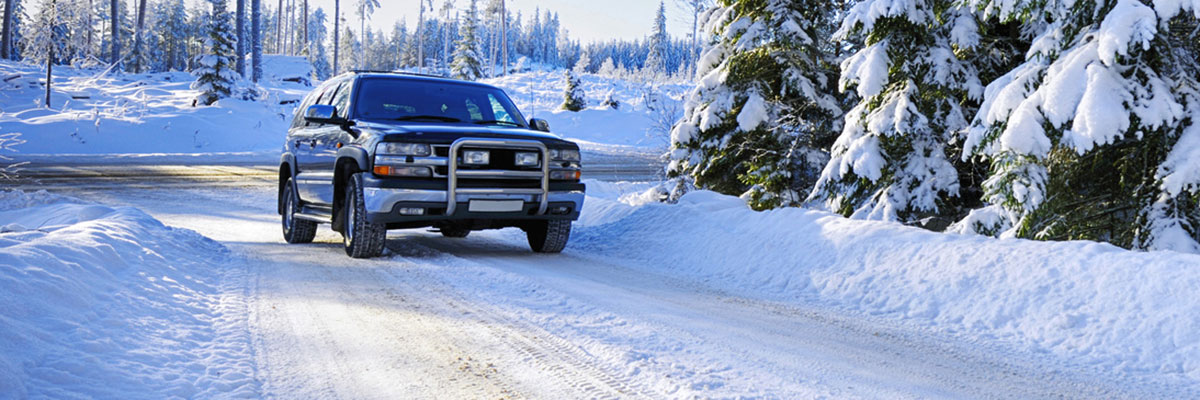
Winterizing your vehicle isn't just good for your car or truck, it could save your life. Winter means decreased visibility, slippery roads, and plunging temperatures. Failing to winterize could mean not seeing the brake lights in front of you, not being able to brake in time, and having to deal with serious accidents in the frigid cold. Avoid all of that by prepping your car for winter.
Winter Tires
No one likes getting stuck. And it can be positively heart-skipping to find your brakes aren't going to stop your momentum in time. Finally, if you live on a steep road like I do, there's just no alternative to buying winter tires. They can keep you moving even in slushy or deep snow. So-called all-season tires just aren't ever as good as dedicated winter tires. People don't like to drive on winter tires all year long because they have shorter tread life and make more noise. But none of that matters when the thermostat drops, snow begins to fall, and your safety comes first. Call your service center, which can order the right-size winter tires for your car and mount them when delivered. The service center can make sure that your winter tires don't interfere with any sensors your vehicle has to monitor tire pressure or your all-wheel-drive options.
Windshield Wipers
Cold weather can be hard on windshield wipers. Salt and grime on the roads finds its way onto your windshield. Cold nights leave ice and snow piled high on the car. Temperatures dip in the evening and then heat up again in the morning when you turn on the heater to get to work. Make sure that going into winter that you have wipers that work. If they leave streaks, or there's any cracking or stiffness, take a trip to the service department where they'll often replace them labor free. While you're there, get your windshield wiper fluid topped off. You'll almost certainly need more of it during the winter months to cut through the grime.
Oil and Coolants
While we're on the topic of fluids, make sure you're using the right engine oil in winter. Like most liquids, oil thickens when cold. Most engine oils combat that effect but that only goes so far. If the thermometer frequently dips below 0 where you live, ask the mechanics at your Service Center for their recommendation. They'll know what oil will best suit your vehicle and your circumstances.
You're also going to need the correct blend of antifreeze and water. If you don't, your radiator will suffer as the fluid in it freezes and expands. Check your vehicle's owner manual or ask someone at a Service Center. They can make sure you get the right blend for your vehicle and your local winter weather.

Battery
Your battery operates on reduced capacity in the winter. Typically, your battery has only less than half the cranking power in the winter that a battery in the summer does. Have the folks in the service department look over the battery and its cables. They can check your battery fluid, and read the charge in your battery. Be sure to replace old batteries before the frigid weather descends so you're not left stranded in less-than-ideal circumstances. You can usually see the manufacturer's date with a glance. Your Service tech can swap an old battery out for a new one.
Emergency Kits
It's always a good idea to pack an emergency kit in your car. You never know when conditions will get bad and you might be snowed in unexpectedly. Include hand warmers, flashlight, first aid kit, blanket, gloves and hat, ice scraper and brush, shovel, energy snacks, and a bag of sand or kitty litter to help get unstuck.
No one wants to get stuck in the snow, get in a car accident, or discover that their car won't start. Take these proactive steps for your car so that you can have a safe and mobile winter.